Blown Fuse: What It Means and What to Do
Fuse blown again, and weighing up whether to rewire it yourself or ring someone? A repeat blow is one of the clearest messages a home's electrics can send, and it deserves better than another length of fuse wire.
Below: what is actually happening, what is safe to do straight away, and when the fix needs to be more than a swap. For a plain answer now from an electrician who knows Beecroft, call (02) 9538 7444.
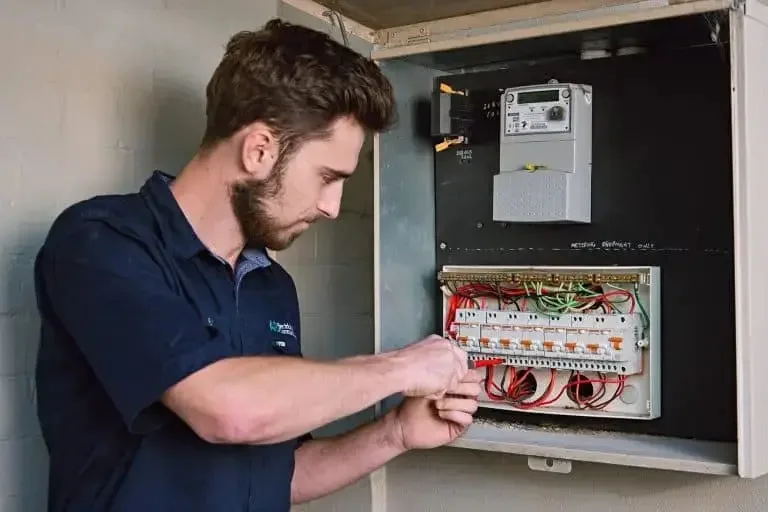
What a Blown Fuse Actually Means
A fuse is the deliberately weak link in a circuit. Once current climbs past what the circuit can safely carry, the thin element inside melts and breaks the flow before the cable buried in the wall can overheat.
That is protection succeeding, not equipment failing.
Plenty of houses from Beecroft's 1900 to 1920 building boom still run ceramic fuse boards, where the melted element sits inside a porcelain carrier that pulls out of the board. On anything modern, the equivalent event is a breaker tripping instead.
People swap between the two terms out of habit, and fair enough. Both devices exist for the same protective purpose, and which one you own mostly reflects when the board was last touched.
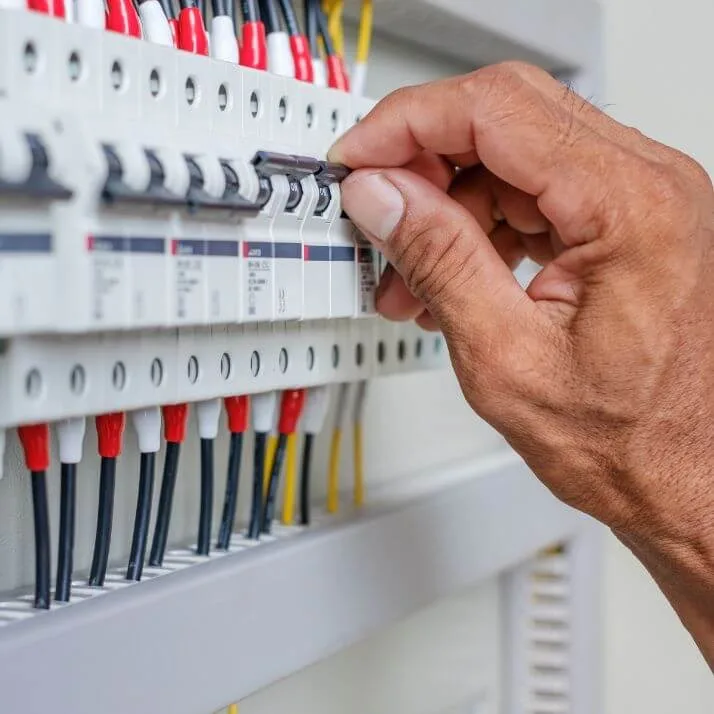
Common Causes of a Blown Fuse
The fuse is only the messenger. What sits behind it decides whether you are up for a five-minute repair or a bigger conversation, and these are the triggers we find most, in rough order:
- An overloaded circuit. More current drawn than the rating allows, especially through winter, when heaters join everything else running on the cool ridge.
- A faulty appliance. An internal short inside whatever was on at the time, cut off by the fuse exactly as intended.
- A damaged point or switch. Wear or knocks inside a fitting creating a short whenever current passes.
- Ageing cable insulation. Old insulation breaking down with age and letting current stray where it should not.
- Wrongly rated fuse wire from a past repair. Too thin and it blows constantly; too thick and it protects nothing at all.
- A leftover from earlier renovation work. A poor connection made years ago, only now surfacing as repeat blows.
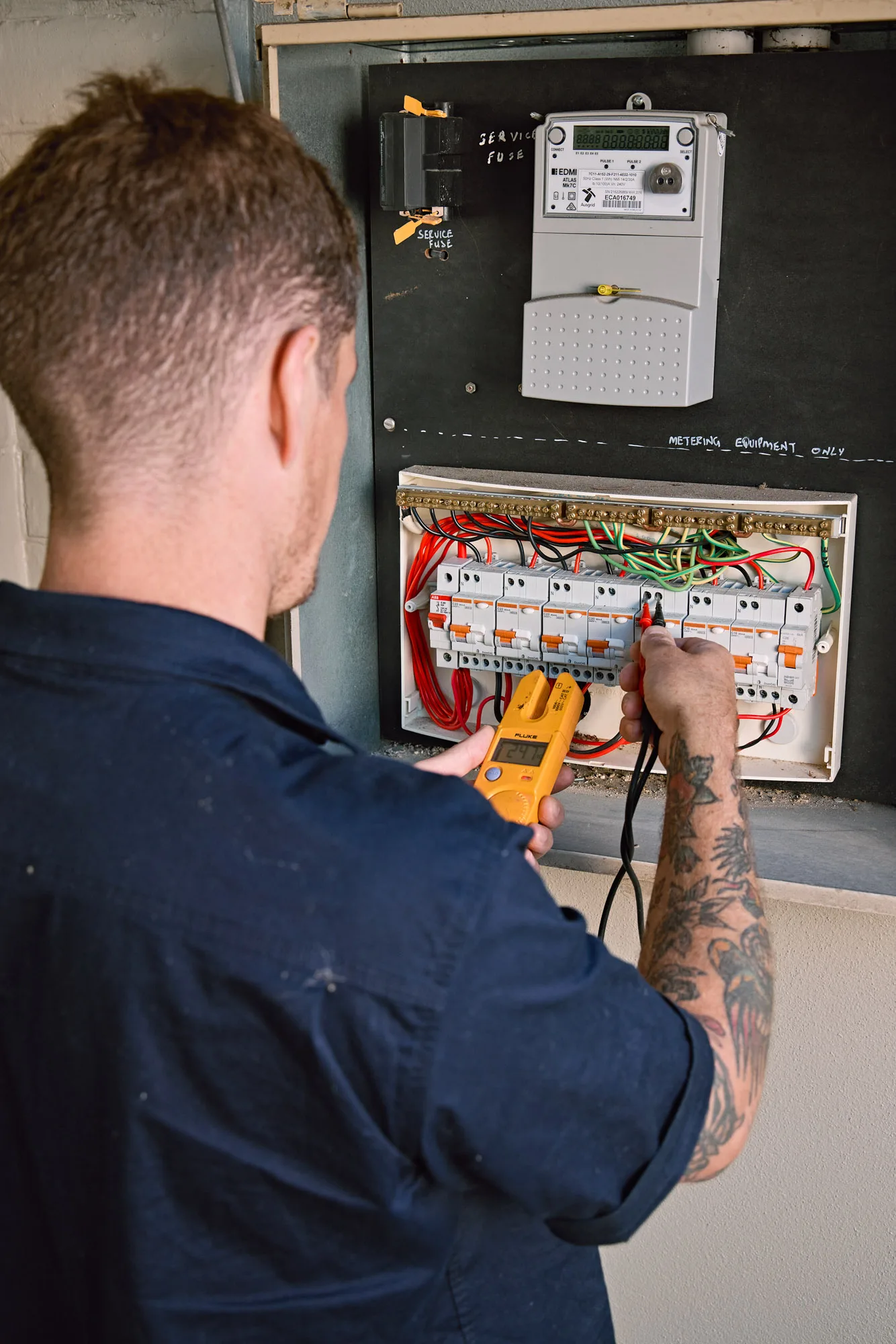
How Serious Is It?
A one-off blow with an obvious trigger, like the heater you can point at, sits low on the urgency scale. Unplug the culprit and book a standard visit.
The picture changes when any of these appear:
- the replacement fuse goes again within minutes
- a burning smell anywhere near the board
- scorch marks or discolouration on the holder or the panel around it
- warmth you can feel coming off the enclosure
Each of those says a live fault is still pulling excess current. That is genuine fire territory, not an inconvenience.
One more thing we keep finding on old boards: fuse wire far heavier than the circuit deserves. Current that should be interrupted in milliseconds keeps flowing until something else inside the wall gives way, so a board with a history of amateur repairs deserves a look even between faults.
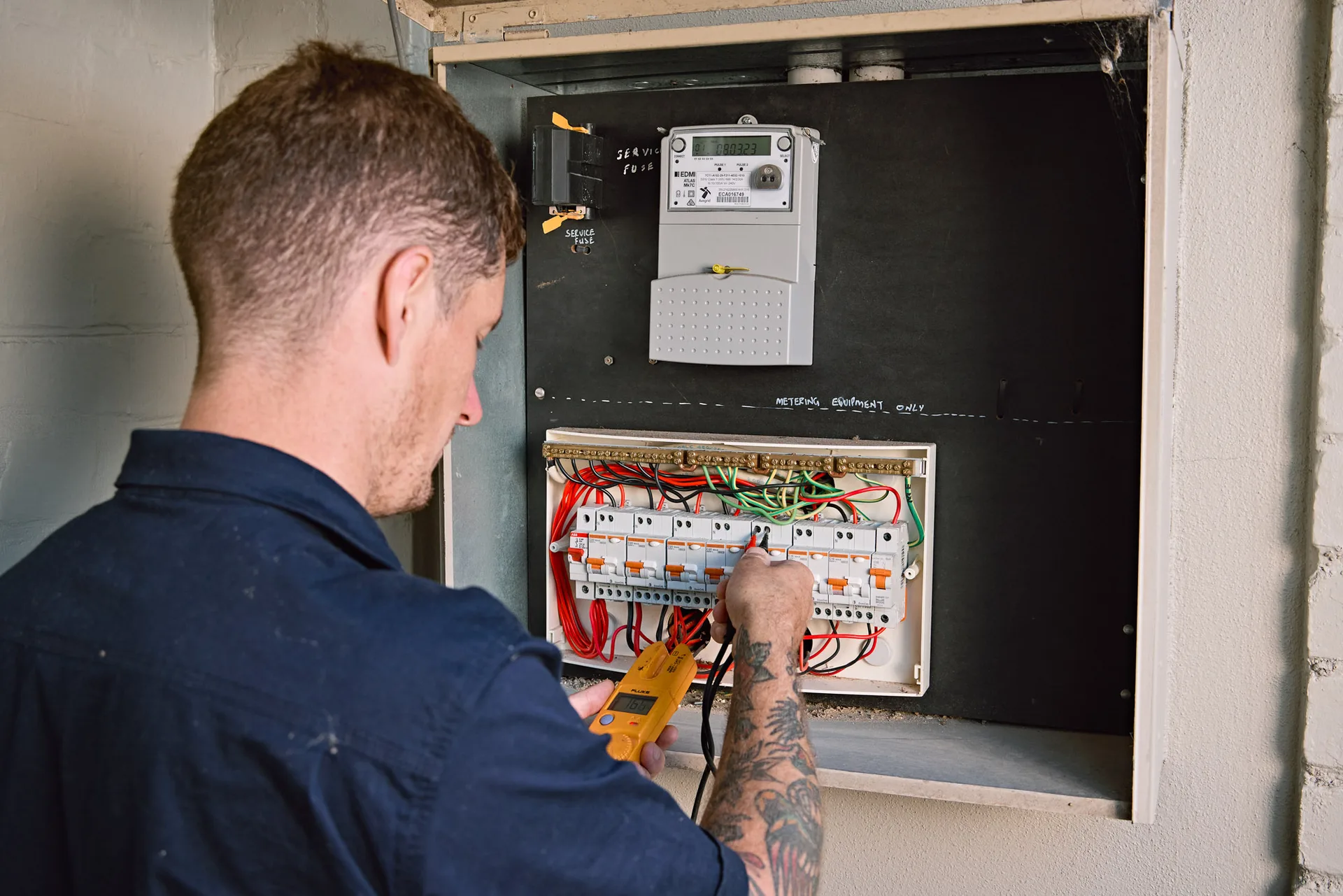
What To Do Before We Arrive
None of this requires touching a live board, and none of it is a repair. It simply keeps the fault contained and gives us a head start.
- Stop feeding it new wire if it keeps blowing. Every DIY swap just postpones finding the real fault.
- Unplug whatever was running when it went. That removes the most likely trigger without opening anything.
- Write down which rooms or sockets lost power. It sharpens the diagnosis before we even knock.
- Treat smells or scorch marks as a ring-us-now sign, never as something to mention at the next convenient booking.
How We Fix It, Step by Step
We chase the reason the fuse blew, never just the blown element. First the circuit's real load gets measured against its rating, then the wiring and its connections are inspected for damage or decay.
Sometimes the answer is a single failed appliance, and the repair is done inside the hour. Sometimes the truth is an original board that cannot support what the household now runs, and we say that plainly instead of patching a symptom that will be back within the month.
The distinction matters because the two outcomes cost very different amounts, and you should know which one you are in before committing. A melted element is cheap; a century of accumulated add-ons on one circuit is a planning discussion.
Either way, you approve a written figure before a tool comes out of the van. The price we quote is the price you pay.
The Myth of the Thicker Fuse Wire
One backyard fix refuses to die: if the wire keeps melting, fit heavier wire. It works, in the narrow sense that the blowing stops.
What it really does is delete the safety device from the circuit. The overload continues, the cable in the wall becomes the new weakest link, and the next warning you get is heat or smoke rather than a dead socket.
If a previous owner might have been down this path, say so when you call. It changes how we approach the board.
Preventing the Next Blown Fuse
The occasional blow under a genuine one-off overload is normal. A pattern of them is the circuit asking for help, and most households only make the call after feeding the same fuse three times.
Prevention here is mostly about matching the electrics to how the house is really used today, not how it was used when the orchard blocks were first subdivided. Four moves cover most of it:
- Split hungry appliances across circuits instead of stacking them on one run.
- Retire the ceramic board. Replacing the board with breakers and safety switches ends the fuse-wire guesswork for good.
- Book proper fault-finding for repeat blows, since each one is usually the same fault resurfacing.
- Replace damaged points and switches early, before they get a chance to arc.
Related Faults and Surrounding Areas
Tired wiring sometimes announces itself by odour before anything blows; our guide to hot electrical smells covers that escalation. A scorched power point near the affected circuit is the other companion symptom worth knowing about.
We handle the same diagnostic work across Normanhurst, Thornleigh and Epping.

Call Us Today, We Will Sort It
Skip the next trip down the hardware aisle. We will find why it blows, explain it without jargon, and repair it with the cost agreed before anything starts.
Ring (02) 9538 7444 and describe what keeps cutting out.
Common questions
Blown Fuse FAQs
Answers to what homeowners ask us once the fuse wire has finally run out.
Do you handle blown fuses in strata or unit buildings?
Yes, though older strata blocks sometimes share switchboard infrastructure that needs sign-off from the owners corporation first. We can talk you through what's involved before booking anything in.
Does insurance care whether a fuse repair is compliant?
It can. Insurers may ask for evidence that electrical work was carried out by a licensed electrician and meets the wiring rules, particularly after a fire or an insurance claim. A Certificate of Compliance is that evidence.
What warranty comes with a fuse or circuit repair?
Our workmanship is covered by a lifetime guarantee, so if a fault comes back due to our work, we return and fix it at no labour charge. Parts carry their own manufacturer warranty on top.
Is my old fuse board actually unsafe, or just outdated?
Outdated and unsafe often overlap, but not always. A ceramic fuse board can still be functioning correctly. The real issue is that it lacks the modern protection a safety switch provides, which is a bigger gap than most people realise until it's explained.
How much does it cost to fix a blown fuse?
It depends on whether it's a single fuse replacement or a sign the whole board needs modernising. We give a free, fixed written quote after seeing the fault, so you know the number before anything starts.
Why does my fuse only blow when certain appliances are running?
That's a strong clue the circuit is overloaded rather than faulty. Whatever's running at the time is drawing more than the fuse or breaker is rated for, and the fix is usually spreading the load rather than just replacing the fuse again.